Cybersecurity is no longer optional—it is a necessity for every business in today’s digital world. With the continuous rise of cyberattacks such as ransomware, phishing, and data breaches, every company—regardless of size—must take serious steps to protect its information. A single security incident can lead to financial losses, damage to reputation, loss of customer trust, and even legal consequences.
⸻
🛡️ What is Cybersecurity?
Cybersecurity refers to the practices, technologies, and processes used to protect systems, networks, and data from digital attacks. Its main goal is to prevent unauthorized access, safeguard sensitive information, and ensure the continuity of business operations.
⸻
🌐 Network Protection
One of the most critical steps in cybersecurity is securing your company’s internal network. This includes using firewalls, network segmentation, and monitoring traffic.
Example:
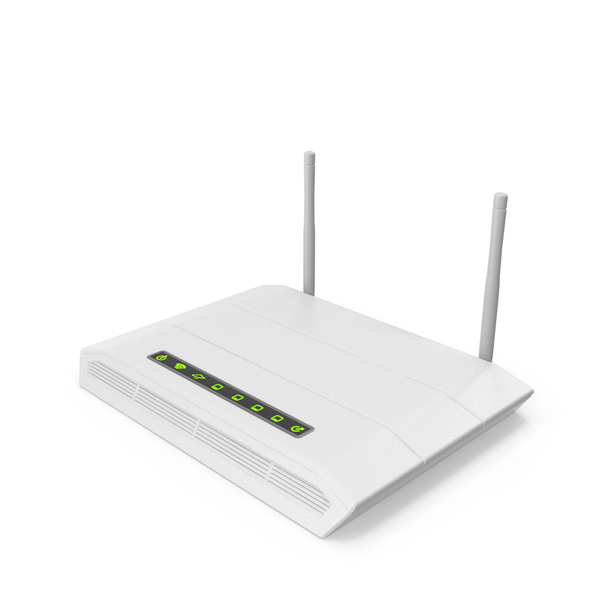
A small business can install a firewall to filter incoming and outgoing traffic, blocking suspicious connections from the internet.
⸻
🔑 Access Control
Not every employee should have access to all systems. Access control ensures that only authorized individuals can access specific data and resources.
Example:
An employee in the finance department should only access financial systems, while an IT administrator has access to servers and technical configurations.
⸻
🔒 Data Encryption
Encryption is the process of converting data into an unreadable format for unauthorized users. It is essential for protecting sensitive information.
Example:
When a customer enters credit card details on a website, the data is encrypted to prevent interception during transmission.
⸻
📧 Common Cyber Threats
Some of the most common cyber threats include:
• Phishing – fake emails designed to steal login credentials
• Ransomware – attacks that lock systems and demand payment
• Malware – malicious software that infects devices
Example:
An employee receives an email that appears to be from a bank, clicks a link, and enters login credentials—unknowingly giving access to a hacker.
⸻
👨💻 Employee Awareness
Many cyberattacks happen due to human error. Therefore, staff awareness and training are among the strongest defenses.
Example:
A company organizes monthly training sessions to teach employees how to recognize suspicious emails and avoid scams.
⸻
💡 Solutions for Small Businesses
Many small businesses assume cybersecurity is expensive, but there are effective and affordable solutions available:
• Using professional antivirus software
• Regular data backups
• Enabling two-factor authentication (2FA)
• Keeping systems and software up to date
Example:
A small business can use Google Workspace with 2FA enabled to significantly improve security without high costs.
⸻
🚀 Conclusion
Cybersecurity is a critical investment in the future of any business. By implementing basic measures such as access control, encryption, network protection, and employee training, companies can protect themselves against most threats. The shield illustration represents exactly that—security and protection, which are essential elements for every modern business.
Cybersecurity Essentials for Small Businesses
25.03.2026
•
👁 286 Views
Learn how to protect your business from cyber threats, data breaches, and attacks with simple and effective security strategies.